Women’s Cozy Lining Cork Slippers: Why This Natural Material Footwear Is Becoming Popular
When choosing home footwear, people often look for three things: comfort, warmth, and a design that can be worn for a long time. Women’s Cozy Lining Cork Slippers combine the natural feel of cork with soft inner lining materials, creating a type of slipper that is suitable for daily indoor wear and casual outdoor use.
Unlike ordinary slippers that mainly focus on softness, cork slippers are designed around foot support and natural material characteristics. The combination of cork footbeds, cozy linings, and lightweight construction makes them an interesting choice in the growing comfort footwear market.
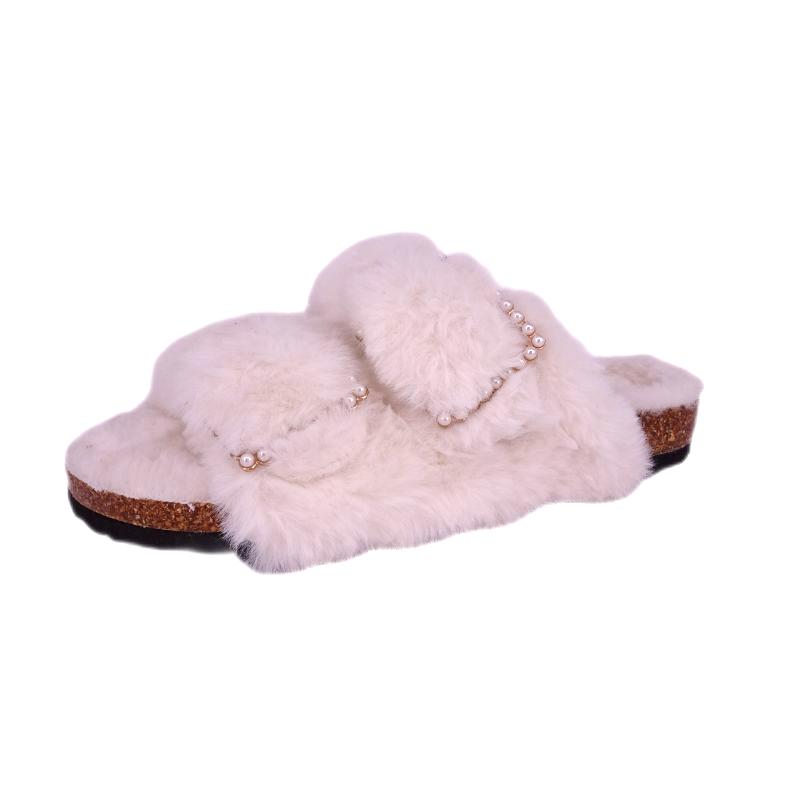
What Are Women’s Cozy Lining Cork Slippers?
Women’s Cozy Lining Cork Slippers are footwear products that use cork-based footbeds or midsoles combined with a warm inner lining.
Their typical structure includes:
|
Part |
Function |
|
Upper Material |
Holds the foot and provides overall style |
|
Cozy Lining |
Adds warmth and improves wearing comfort |
|
Cork Footbed |
Provides natural support and cushioning |
|
Outsole |
Improves grip and protects the bottom |
Cork is a renewable material harvested from cork oak trees. The bark can regenerate after harvesting, which is one reason cork has become increasingly popular in sustainable footwear.
Why Is Cork Used in Slippers?
Cork may seem like an unusual material for footwear, but it has several properties that make it suitable for footbeds.
1. Natural Cushioning Ability
Cork contains millions of tiny air cells that create a lightweight structure.
These air pockets help provide:
Soft stepping feeling
Pressure distribution
Reduced impact during walking
Over time, cork footbeds can gradually adapt to the shape of the wearer’s feet.
2. Lightweight Comfort
Compared with some traditional sole materials, cork has a relatively low density.
This makes cork slippers:
Easy to wear around the home
Less tiring during long periods of use
Convenient for daily movement
3. Moisture Management
A little-known feature of cork is that it naturally has a low moisture absorption rate.
This helps the footbed remain more comfortable during daily wear.
However, cork slippers are still not designed for long exposure to water because excessive moisture may affect the structure and lifespan of the cork material.
Industry Cold Knowledge: Why Do Cork Footbeds Feel Different After Wearing Them?
Many users notice that cork slippers become more comfortable after being worn for a period of time.
This is because cork has a certain level of flexibility and can respond to repeated pressure.
The footbed may gradually develop a more personalized shape based on:
Walking habits
Foot pressure points
Body weight distribution
This is different from ordinary foam slippers, which mainly rely on temporary softness.
The Role of Cozy Lining in Winter Comfort
The inner lining is one of the biggest differences between regular cork slippers and cozy cork slippers.
Common lining materials include:
Fleece
Faux fur
Wool blends
Soft textile fabrics
The lining helps:
Reduce direct contact between feet and cork
Improve warmth
Create a softer wearing experience
This makes lined cork slippers especially suitable for colder seasons.
Are Cork Slippers Only for Home Use?
Although many people associate slippers with indoor use, modern cork slippers are designed for more flexible lifestyles.
Common wearing scenarios include:
Home Daily Wear
Suitable for:
Morning routines
Relaxing indoors
Household activities
Casual Outdoor Use
Some designs include durable outsoles suitable for:
Short walks
Garden activities
Quick errands
Travel and Leisure
Their lightweight structure makes them convenient for:
Vacation use
Hotel stays
Relaxed weekend activities
How to Maintain Women’s Cozy Lining Cork Slippers?
Proper care can extend the lifespan of cork footwear.
Keep Cork Away from Excess Water
Avoid soaking the cork footbed.
If exposed to moisture:
Wipe gently
Allow natural air drying
Avoid direct high heat
Clean the Lining Regularly
Since the lining is in direct contact with the feet, regular cleaning helps maintain freshness.
Depending on the material:
Use a soft brush for textile lining
Follow specific cleaning instructions for faux fur materials
Avoid Long-Term Compression
Leaving heavy objects on cork slippers may affect the shape of the footbed.
How to Choose Comfortable Cork Slippers?
Several details influence wearing experience.
Footbed Design
A good cork footbed should provide:
Stable support
Comfortable arch area
Natural stepping feeling
Lining Thickness
A thicker lining provides more warmth but may feel tighter.
A thinner lining offers:
More foot space
Better breathability
Sole Structure
The outsole should match the intended use.
For indoor use:
Lightweight soles are often preferred
For outdoor use:
More durable and slip-resistant soles are usually better